California RCFE Licensing Explained: A Guide for Garden Grove Families
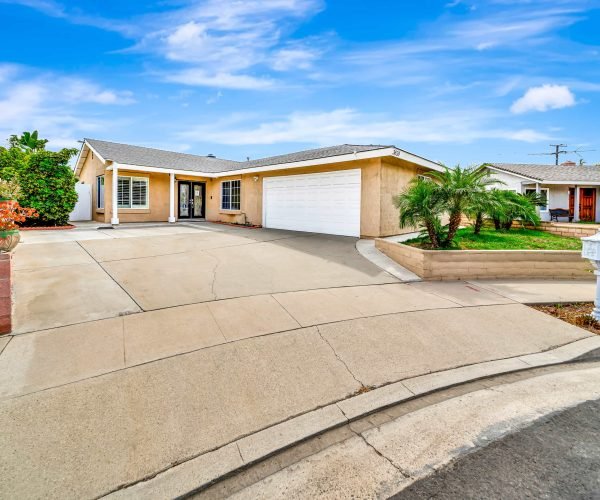
If you are looking at assisted living or board and care homes in Garden Grove, you will see the letters RCFE again and again. They stand for Residential Care Facility for the Elderly, the California license that covers most assisted living settings for older adults, from small homes in residential neighborhoods to large communities. Understanding what the license means, and how to check a home's record, helps you choose with confidence.
What an RCFE is
The California Department of Social Services (CDSS) describes a Residential Care Facility for the Elderly as a housing arrangement for people 60 and over where 24-hour non-medical care and supervision is provided. RCFEs are often called assisted living facilities or board and care homes (CDSS, resources for residents and families).
In practice, an RCFE helps residents with daily living, such as bathing, dressing, grooming, eating, and medication assistance, and keeps watch over their safety and wellbeing around the clock.
Who licenses and monitors RCFEs
RCFEs are licensed and monitored by the Senior Care Licensing Program within CDSS's Community Care Licensing Division. The program also licenses Continuing Care Retirement Communities, and it operates 14 Senior Care Licensing regional offices across the state (CDSS, Senior Care Licensing). Its stated mission is to optimize the health, safety, and quality of life of adults in community care facilities through a regulatory system that emphasizes harm prevention and timely compliance. For families, that means there is a state agency with authority to visit a home, review its records, and investigate complaints, and a public record of what it finds.
What "non-medical" means
The phrase non-medical care is important. RCFEs are not nursing homes. They provide personal care and supervision rather than ongoing skilled nursing. Residents can still receive medical services, such as visits from home health nurses or hospice teams, within the limits set by state rules. But if your parent needs continuous skilled nursing care, a skilled nursing facility may be the appropriate setting.
When you talk to a home, ask:
- What care can you provide here?
- Which health conditions or care needs can you not accept or keep?
- How do you work with home health and hospice agencies?
- Who helps with medications, and what training do they have?
Dementia care
CDSS publishes dementia care information and resources as part of its Senior Care Licensing Program. California has specific requirements for RCFEs that care for residents with dementia, including staff training. If your parent has memory changes, ask the home how it meets those requirements and what dementia training its caregivers have completed. Our article on assisted living versus memory care in Garden Grove has more questions to ask.
Checking a home's license and record
CDSS offers two main ways to look into a facility (CDSS, resources for residents and families):
- Facility Search website. It contains information about licensed facilities throughout California, including licensing reports.
- Facility file review. You can contact the local regional office and ask to review a licensee's facility file, which contains information from evaluation visits and any complaints the Department substantiated.
When you read reports:
- Note the date and type of each finding
- Look for patterns, such as repeated issues with medications, staffing, or supervision
- See whether and how problems were corrected
- Ask the home to explain anything that concerns you
A finding does not necessarily mean a home is a poor choice. What matters is how serious the issue was, whether it repeats, and how the home responded. Licensing reports can be written in formal regulatory language, so if a report is hard to follow, ask the home to walk you through it. A home that answers openly, explains what changed, and shows you how it prevents the same problem from happening again is usually a home that takes oversight seriously.
The state's guide to choosing care
CDSS publishes a Resource Guide for Choosing Residential Care for Seniors in California, available from its resources page. It is a useful companion to your own research and visits.
Residents' rights and advocacy
Long-Term Care Ombudsman representatives help residents of long-term care facilities with concerns about rights, dignity, quality of care, diet, medical care, benefits, transfers and discharges, and the use of restraints, according to CDSS. In Orange County, the ombudsman program is operated by the Council on Aging - Southern California, reachable at (800) 300-6222 (Council on Aging - Southern California, ombudsman).
Reporting abuse or neglect
CDSS directs people who suspect elder abuse or neglect to contact the local Long-Term Care Ombudsman program, the Long-Term Care Ombudsman CRISISline at 1-800-231-4024, or local police or the sheriff's department. You may also contact CDSS at 1-844-538-8766. If someone is in immediate danger, call 911.
Licensing and payment
The license also matters for payment. Medi-Cal's Assisted Living Waiver, available in Orange County, can cover care services in participating RCFEs for eligible people (Orange County Office on Aging, Assisted Living Waiver fact sheet, PDF). Long-term care insurance policies often require care in a licensed facility. Our guide to paying for assisted living in Orange County explains more.
Small homes and large communities
The RCFE license covers both a small house in a residential neighborhood and a large building with many apartments. That means two homes with the same license can feel very different. A small home may offer a quiet household and the same caregivers every day; a large community may offer more amenities and activities. See our comparison of board and care homes and larger assisted living.
Questions to ask about licensing
- May I see your current CDSS license?
- What did your most recent licensing visit find?
- Have you had any substantiated complaints, and how were they resolved?
- Who is the licensee, and who is the administrator?
- What care needs would require a resident to move?
Talk with Maureen Guest Home
Maureen Guest Home #2 is a residential care home at 9362 Maureen Drive in Garden Grove. We encourage families to look up any home they are considering, including ours, and to ask us anything about how we care. Call (714) 539-0391 or read about how we care. Visiting hours are from 9 to 5. We're open 24 hours.
Frequently asked questions
What is an RCFE in California?
A Residential Care Facility for the Elderly is a housing arrangement for people 60 and over where 24-hour non-medical care and supervision is provided. RCFEs are often called assisted living facilities or board and care homes.
Who licenses RCFEs?
The Senior Care Licensing Program of the California Department of Social Services, through 14 regional offices.
How can I check a care home's licensing history?
Use the CDSS Facility Search website, or ask the local regional office to review the facility file.
Who do I call about suspected abuse in a California care home?
Contact the local Long-Term Care Ombudsman, the CRISISline at 1-800-231-4024, local law enforcement, or CDSS at 1-844-538-8766. Call 911 in an emergency.