Memory Care at Maureen Guest Home
Memory care conversations at Maureen Guest Home focus on routine, dignity, and how a residential house can support someone living with dementia or related cognitive change.
How families begin memory care planning
Public descriptions of Maureen Guest Home note willingness to support seniors across a wide range of needs, including Alzheimer's and dementia. We treat memory care as a careful match, not a label you pick from a menu. Tour the house. Watch how staff greet residents. Ask about evenings, redirection, and family updates.
Some people still fit assisted living Garden Grove support with light cognitive help. Others need a clearer memory care plan. Bring clinical notes so the conversation stays grounded.
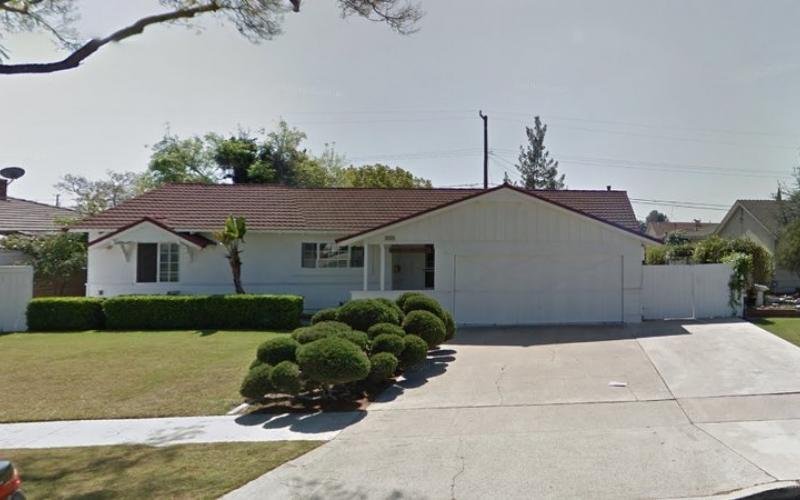
Deep dive: memory care & assisted living Garden Grove overlap
Tour assisted living Garden Grove rooms and common areas on Maureen Drive with our team.
Ask how assisted living Garden Grove personal care and medication reminders work day to day.
Schedule assisted living visits around work so adult children can see the house firsthand.
Compare assisted living meals, laundry help, and housekeeping during your walkthrough.
Use assisted living checklists covering mobility, nutrition, and favorite hobbies before move-in.
Shortlist assisted living homes with help from Assisted Living Near Mom, then tour Maureen Guest Home.
Clarify assisted living goals of care with spouses, siblings, and our team together.
Protect dignity inside an assisted living plan that still leaves room for familiar routines.
Request assisted living updates for out-of-town relatives after a loved one settles in.
Notice light, seating, and neighborly spaces on assisted living weekend tours here.
Discuss assisted living garden time, living room gatherings, and quiet corners in the house.
Review assisted living transportation questions for appointments across Orange County.
Many assisted living days include shared meals, calm afternoons, and friendly check-ins.
Bring medication lists when you inquire about assisted living openings on Maureen Drive.
Confirm assisted living assessment steps before you decide on timing and room style.
Families value assisted living homes that welcome visitors and keep communication clear.
Ask whether assisted living support can adjust as needs change over months and years.
Walk the front yard while evaluating assisted living safety, lighting, and seating options.
Pair assisted living help with social time so residents stay engaged with housemates.
Document assisted living preferences for meals, routines, and faith or hobby activities.
Revisit assisted living questions after the first tour if more family members need to see the home.
Choose assisted living support that balances privacy in bedrooms with shared gathering rooms.
Local families often begin assisted living searches with a phone call to Maureen Guest Home.
Keep notes on assisted living staffing questions to ask during the formal care conversation.
Neighborhood streets near Brookhurst and Chapman make assisted living tours easy to reach.
Ask about assisted living dietary notes, including diabetes-friendly meal planning when needed.
Write down assisted living must-haves so siblings hear the same details after the visit.
Calm residential streets matter when families compare assisted living board and care homes.
Confirm how assisted living staff coordinate with visiting nurses, therapy, or hospice partners.
Many assisted living decisions start with one quiet walk through a real house, not a brochure alone.
Start memory care planning with life stories, calming cues, and preferred daily activities.
Ask how memory care teams respond to confusion, sundowning, and changes in routine.
Verify memory care eligibility and environment details directly with our team, not only directories.
Calm spaces matter for memory care residents who rely on familiar faces and clear paths.
Explore whether memory care days include structured engagement and gentle movement.
Compare memory care outdoor use and secure common areas across your short list.
Request a memory care care-planning talk after you walk Maureen Guest Home together.
Blend personal help with socialization when shaping a memory care support plan.
Bring medical summaries to memory care inquiries so staff can prepare thoughtful answers.
Keep celebrations and quiet corners in mind for memory care quality of life.
Discuss memory care communication habits so out-of-town relatives stay informed.
Note lighting and wayfinding while touring memory care spaces in the house.
Ask how memory care staff partner with families during transitions and visits.
Many memory care searches begin when assisted living alone no longer feels enough.
Confirm memory care openings and assessment timing when you call Maureen Guest Home.
Write down memory care triggers and comforting hobbies before the formal meeting.
Look for memory care homes that welcome education sessions for caregivers.
Evaluate memory care safety practices alongside warmth and home-like décor.
Schedule a second memory care visit if siblings need to see the setting too.
Keep memory care questions tied to dignity, routine, and meaningful engagement.
Families comparing memory care options should tour before making final decisions.
Clarify how memory care support differs from standard assisted living help here.
Use memory care checklists covering sleep, meals, and redirection approaches.
Partner early on memory care planning so transitions feel steadier for everyone.
Neighborhood quiet on Maureen Drive can support memory care evening calm.
Ask whether memory care medication timing aligns with familiar home routines.
Bring photos labeled with names when discussing memory care personalization ideas.
Confirm how memory care staff handle wandering concerns inside a residential layout.
Many memory care families appreciate small household size for recognition and rapport.
Document memory care music preferences, favorite foods, and calming objects to bring.
Ask how memory care visiting patterns can stay flexible for working adult children.
Revisit memory care notes after neurology or primary care appointments.
Look for memory care homes that keep dining simple, familiar, and unhurried.
Confirm memory care night checks and how families learn about overnight changes.
Use memory care tours to observe how staff greet residents by preferred name.
Keep memory care expectations realistic about progression and reassessment timing.
Ask about memory care hospice coordination if end-of-life support becomes relevant.
Neighborhood familiarity near memory care can reduce relocation stress for some residents.
Write a memory care life book with siblings so staff learn more than a diagnosis label.
Compare memory care noise levels, clutter, and hallway length across homes you tour.
Many memory care days work best with short activity segments and rest in between.
Confirm how memory care teams share updates after doctor visits and therapy sessions.
Still deciding between pathways? Read our assisted living page or call to compare both in one visit.