Board and Care Homes vs Larger Assisted Living in Garden Grove
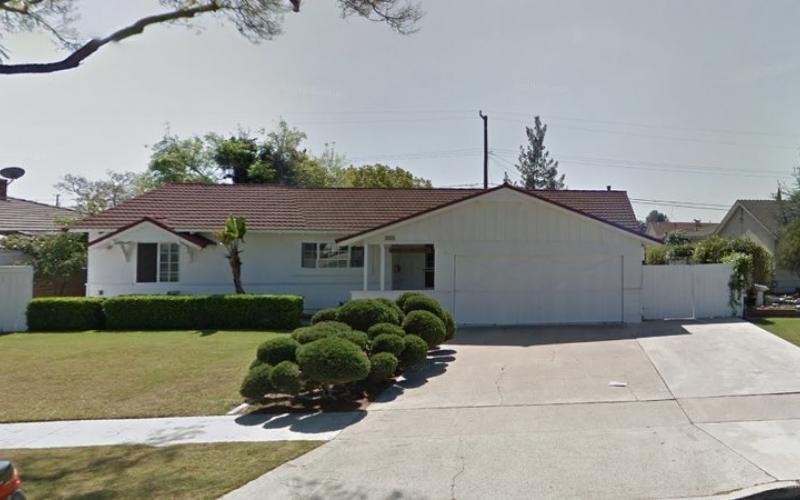
Drive through almost any Garden Grove neighborhood and you may pass a residential care home without realizing it. These small homes, often called board and care homes, look like the houses around them, and they care for a handful of older adults in a family-style setting. They sit alongside larger assisted living communities with many apartments and a full activity schedule. Both can be good choices. This guide explains how they compare so you can decide which suits your parent.
The same license, different scales
In California, both small board and care homes and larger assisted living communities are generally licensed as Residential Care Facilities for the Elderly (RCFEs). The California Department of Social Services describes an RCFE as a housing arrangement for people 60 and over where 24-hour non-medical care and supervision is provided, and notes that RCFEs are often called assisted living facilities or board and care homes (CDSS, resources for residents and families).
So the difference is less about legal category and more about size, setting, and how daily life is organized.
What a small residential home is like
- A house in a neighborhood. Residents live in bedrooms in a home, share a living room and kitchen, and often have a yard or patio.
- A small group. Fewer residents means a quieter environment and a household feel.
- Familiar caregivers. With a small team, residents usually see the same few caregivers every day, who get to know their habits and preferences well.
- Home-style meals. Food is typically cooked in the home's kitchen, and residents may eat together at one table.
- A simple layout. Fewer hallways and doors can make the home easier to navigate.
What a larger community is like
- Apartments. Residents usually have a private studio or one-bedroom apartment.
- More amenities. Dining rooms, activity rooms, salons, fitness spaces, and organized outings.
- More people. More potential friends and a busier social life.
- Larger staff. More staff overall, sometimes including on-site nurses, though residents may see a wider range of faces.
- Structured programming. A full calendar of activities and events.
Who each setting tends to suit
A small home may suit someone who
- Finds large groups or noise overwhelming
- Is living with memory changes and does better with a calm, consistent routine
- Needs a good deal of hands-on help and close supervision
- Values a family-like atmosphere and knowing everyone in the house
- Does not use many amenities
A larger community may suit someone who
- Is social and wants many activities and potential friends
- Is relatively independent and wants a private apartment
- Enjoys outings, classes, and events
- Wants on-site amenities such as a salon or fitness room
Daily life in a small home
Life in a residential care home follows the rhythm of a household. Mornings start with help getting up, washed, and dressed, followed by breakfast at the kitchen table. The day may include a walk in the yard, television or music in the living room, a visit from family, a nap, and conversation over meals. There are fewer scheduled events than in a larger community, but more of the small, familiar moments that make a place feel like home.
For some people this is exactly right. A retired person who spent decades in a Garden Grove house may feel more at ease in a similar house than in a large building with long corridors. For others, especially very social people who want a busy calendar, a larger community may feel more lively.
Transitions between settings
Needs change over time. A parent might start in a larger community while fairly independent, then move to a smaller home when they need closer supervision. Or a small home might serve someone well for years. When you choose, ask how the home or community handles changing needs and when it would recommend a different setting.
Cost
Costs vary in both settings. CareScout's 2025 survey reports a median of $6,600 a month for assisted living in the Los Angeles-Long Beach-Anaheim metro area, which includes Garden Grove, but it does not separate small homes from larger communities (CareScout Cost of Care tool). Small homes sometimes include more personal care in a single rate; larger communities often charge rent plus separate care levels. Compare written quotes for the same level of care. Our guide to assisted living costs in Garden Grove has more detail.
Questions to ask a small home
- How many residents live here, and how many caregivers are on duty during the day and at night?
- Is a caregiver awake overnight?
- Who is the licensee and administrator, and how often are they at the home?
- How are medications handled?
- What happens if a resident falls or becomes ill?
- Can you support residents with memory changes? How?
- Do you offer private rooms, shared rooms, or both?
- Can my parent bring their own furniture?
- What activities happen during a typical day?
Questions to ask a larger community
- What is included in the base rent, and how are care levels priced?
- How many caregivers serve each floor or area, day and night?
- Is a nurse on site, and when?
- How do you help new residents make friends and settle in?
- If my parent's needs increase, can they stay?
Checking any home's license
Whatever its size, every RCFE should be licensed by CDSS. The Department's Facility Search website contains information about licensed facilities throughout California, and families can review a facility's licensing reports there or ask the local regional office to review the facility file (CDSS, resources for residents and families). Our article on California RCFE licensing explains how.
Visiting makes the difference
Neither setting is right for everyone, and the best way to know is to visit. Spend time in both kinds of setting if you can. Notice how residents spend their time, how caregivers speak to them, what meals look like, and how your parent responds. Many families find the decision becomes clear once they have seen a few places.
Visit Maureen Guest Home
Maureen Guest Home #2 is a residential care home at 9362 Maureen Drive in Garden Grove. See our house photos, read about how we care, and call (714) 539-0391 to arrange a visit. Visiting hours are from 9 to 5. We're open 24 hours.
Frequently asked questions
What is a board and care home in California?
It is a small residential care home, usually in a house, that provides 24-hour non-medical care and supervision. In California, board and care homes for older adults are generally licensed by CDSS as Residential Care Facilities for the Elderly.
Is a board and care home the same as assisted living?
Both are generally licensed as RCFEs in California. The main differences are size, setting, and how daily life is organized.
Are board and care homes good for people with dementia?
Some people with dementia do well in a small, calm, consistent setting. Ask each home how it supports residents with memory changes and whether it meets state requirements for dementia care.
How do I check a board and care home's license?
Use the CDSS Facility Search website to look up licensed facilities and their licensing reports.